
Stepping Back in Time: The Magic of Mahakali Caves
If you ever feel like the concrete jungle of Mumbai is closing in on you, there is a secret waiting in the heart of the suburbs. Right in the middle of the busy streets and high-rise buildings of Andheri East, there is a place where the air feels different and the stones tell stories from thousands of years ago. I am talking about the Mahakali Caves, a stunning archaeological site that most people drive past every day without even realizing it is there.
As a local explorer, this is one of my favorite places to bring people who think they know everything about Mumbai. It is a reminder that our city isn’t just about glamour and business; it is built on layers of incredible history.
1. Introduction & Location Overview
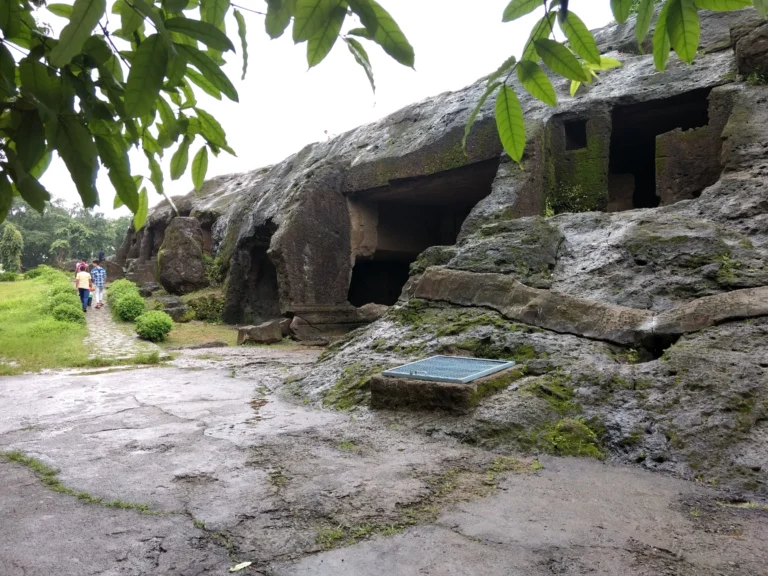
The Mahakali Caves, also known as the Kondivite Caves, are a group of 19 rock-cut monuments carved out of solid black basalt. Located on Mahakali Caves Road in Andheri East, these caves are a rare piece of ancient heritage tucked away in a modern industrial and residential hub.
While most tourists head to the famous Elephanta or Kanheri Caves, Mahakali remains a quiet, hidden gem. It sits on a small hillock, providing a natural elevation that lets you look out over the urban sprawl while standing in a sanctuary that dates back to the 1st century BCE.
2. Why This Place Is a Hidden Gem
What makes the mahakali caves so special is the element of surprise. You are walking through the loud, dusty, and crowded neighborhood of Andheri Mahakali, and suddenly, you see these ancient, dark openings in the rock. It is a hidden gem because it is literally “hidden” by the city’s rapid expansion.
Most tourists miss it because it doesn’t have the grand ferry rides of Elephanta or the vast national park setting of Kanheri. Locals love this place because it offers a quick escape—a 30-minute walk through these caves can make you feel like you’ve traveled back two thousand years without ever leaving your pin code.
3. History & Background of the Place
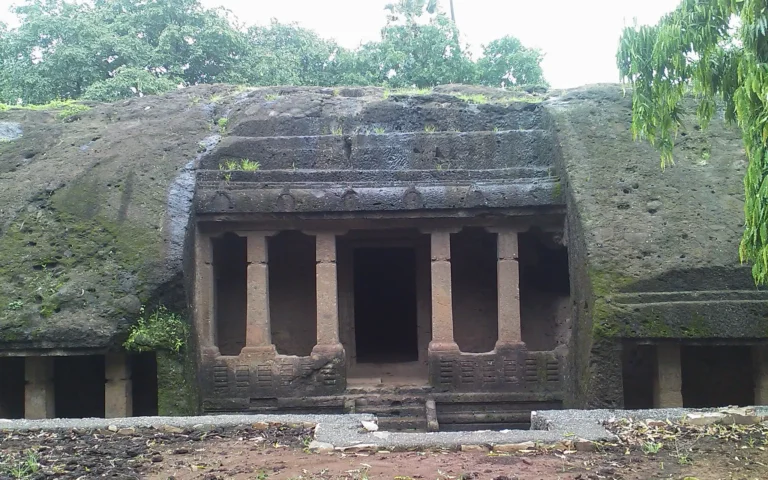
The mahakali caves history is deeply rooted in Buddhist traditions. These caves were carved between the 1st century BCE and the 6th century CE, making them some of the oldest man-made structures in the city. They served as a “Vihara” (a residence for Buddhist monks) and “Chaityas” (prayer halls).
Over centuries, as the surrounding forest was replaced by the suburb of Andheri, the caves were partially forgotten by the mainstream. They were once part of a larger network of Buddhist sites in the region, including the nearby Kanheri and Magathane caves. Today, they stand as a silent witness to the changing face of Mumbai.
4. What Makes This Place Special
The beauty of this site lies in its simplicity and its strength.
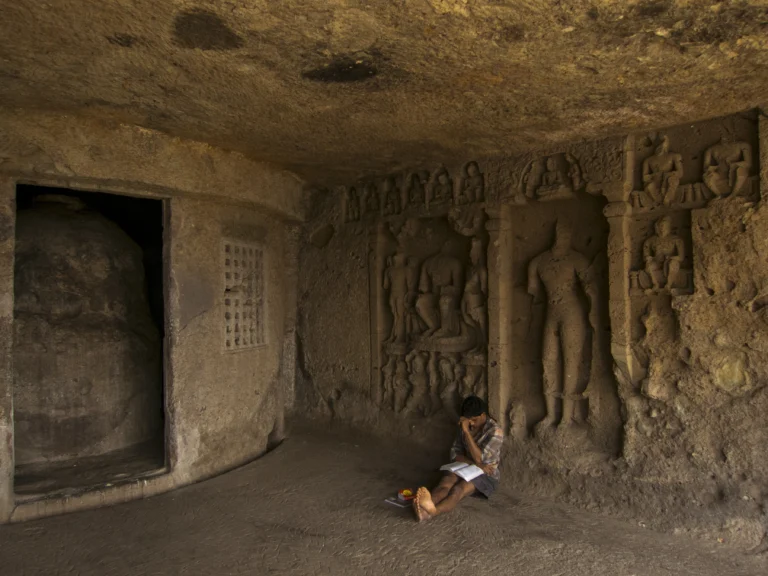
- Ancient Art: Cave 9 is the most important one here. It features a stupa and weathered carvings of Buddhist figures, including the Buddha himself.
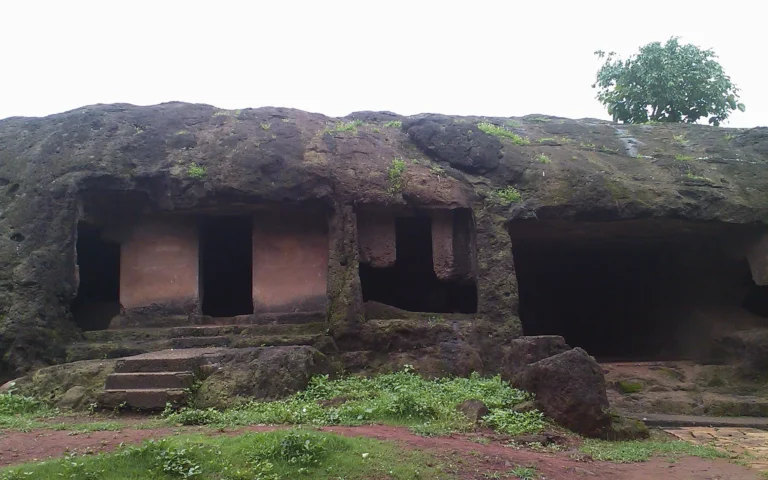
- Unique Architecture: The way the monks carved living quarters, complete with stone beds and water cisterns, out of a single hill is a marvel of ancient engineering.
- Photography Value: The contrast between the dark, ancient basalt rock and the bright green moss that grows during the monsoon is a dream for photographers.
- A Sense of Peace: Even though it is near a main road, the thick stone walls of the caves act as a natural sound barrier. Inside, it is surprisingly quiet.
5. How to Reach This Hidden Gem
Reaching the caves is very easy since they are located in a central suburb:
- By Local Train: The nearest station is Andheri on the Western Line. From the station, you can take an auto-rickshaw or a bus heading toward Mahakali Caves Road.
- By Metro: The WEH (Western Express Highway) Metro Station is the closest. From there, it’s a short 10-minute rickshaw ride.
- By Bus: Several BEST buses run from Andheri Station (East) to the Mahakali area.
- By Taxi / Auto: Every auto-driver in Andheri knows the “Mahakali Caves.” Just tell them the name, and they will drop you at the entrance gate.
6. Entry Fees, Timings & Permissions
- Entry Fee: There is a very nominal entry fee (usually around ₹20-₹25 for Indians and more for foreigners). It is managed by the Archaeological Survey of India (ASI).
- Timings: The caves are generally open from 9:00 AM to 6:00 PM.
- Permissions: No special permissions are required for regular visits. However, professional filming with tripods usually requires prior permission from the ASI.
7. Best Time to Visit
- Best Months: July to September (Monsoon) is when the hill turns lush green and the caves look most atmospheric. November to February (Winter) is also great because the weather is cool enough for a comfortable walk.
- Best Time of Day: Early morning (9:00 AM) is the best. The light is soft for photos, and the area is very peaceful.
- Weather Tip: Avoid visiting in the peak summer afternoon (April-May) as the black basalt rock can get quite hot and radiate heat.
8. Things to See at This Hidden Gem
- Cave 9: This is the star attraction. Look for the screen carvings and the ancient stupa inside.
- The Viharas: Explore the smaller cells where monks lived. You can still see the niches in the walls where they probably kept their lamps.
- The Inscriptions: If you look closely at some of the pillars, you can find traces of ancient Pali inscriptions.
- The Viewpoint: From the top of the hillock, you can see the contrasting view of the modern SEEPZ area and the sprawling city.
9. Things to Do Near This Hidden Gem
- Visit Mahakali Temple: A famous local temple is just a short walk away.
- Street Food at Mahakali: The area outside the caves is famous for some of the best local Mumbai snacks. Don’t miss the Vada Pav and sandwiches nearby.
- Explore SEEPZ: If you are a fan of modern industrial architecture, the nearby SEEPZ zone is interesting to drive through.
- Lakeside Walk: Powai Lake is just a 15-20 minute drive from here if you want to extend your day trip.
10. Local Experience & Atmosphere
When you stand inside a cave that was carved 2,000 years ago, you feel a strange sense of grounding. You can hear the distant hum of Mumbai’s traffic, but it feels like you are watching the world from a safe, quiet pocket of time. You’ll see local students studying in the shade, elderly people taking their morning walks, and a few curious travelers. It doesn’t feel like a tourist trap; it feels like a part of the local neighborhood’s soul.
11. Safety Risks & Things to Be Careful About
- Slippery Steps: The stone steps can be very slippery during the monsoon. Wear shoes with a good grip.
- Low Ceilings: Some of the smaller caves have very low entrances. Watch your head!
- Monkey Menace: Like many ancient sites in India, there are monkeys around. Keep your food hidden and don’t tease them.
- Isolation: While the main area is safe, avoid going into the far, darker corners of the caves alone if there are no other visitors around.
12. Safety Precautions
- General Advice: Stick to the marked paths provided by the ASI.
- Solo Travelers: It is a very safe spot for solo travelers and foreigners, as it is located in a busy residential area.
- Evening Visits: Since the area around the caves can get a bit dark after sunset, it is best to leave by 5:30 PM.
13. Things to Carry Before Visiting
- Water: There aren’t many shops inside the archaeological complex.
- Comfortable Shoes: You will be doing a bit of climbing and walking on uneven rock surfaces.
- Camera/Phone: For those stunning shots of ancient architecture against the modern city.
- Small Cash: Useful for the entry ticket and the local rickshaw rides.
14. Travel Tips (Local Secrets)
- The Monsoon Glow: Visit right after a heavy rain. The basalt rock turns a deep, shiny black and the greenery looks incredibly vivid.
- Avoid the Crowd: Avoid Sunday afternoons if you want a quiet experience. Weekday mornings are the best.
- Ask the Guard: Sometimes the ASI guards know small details about the carvings that aren’t on the signboards. A friendly “Namaste” can go a long way!
- Respect the Site: Remember, these were once sacred places of worship. Avoid shouting or playing loud music inside the cave chambers.
Forget the hassle and choose CABTAN—Mumbai’s most punctual and affordable cab service. Our trained drivers ensure a safe, reliable, and completely worry-free journey. Fill out the form below to book your ride now.