
The Silent Spectators of Sewri: A Visit to the Sewri Fort
Mumbai is a city that usually looks toward the future, with its rising glass towers and new sea links. But if you head over to the eastern edge of the city, where the smell of salt and old stone hangs in the air, you will find a place that has been watching the harbor for over 300 years. Sewri Fort is a rugged, weathered structure that offers a completely different view of the city—one of quiet mudflats, industrial skeletons, and beautiful pink visitors from far away.
1. Introduction & Location Overview
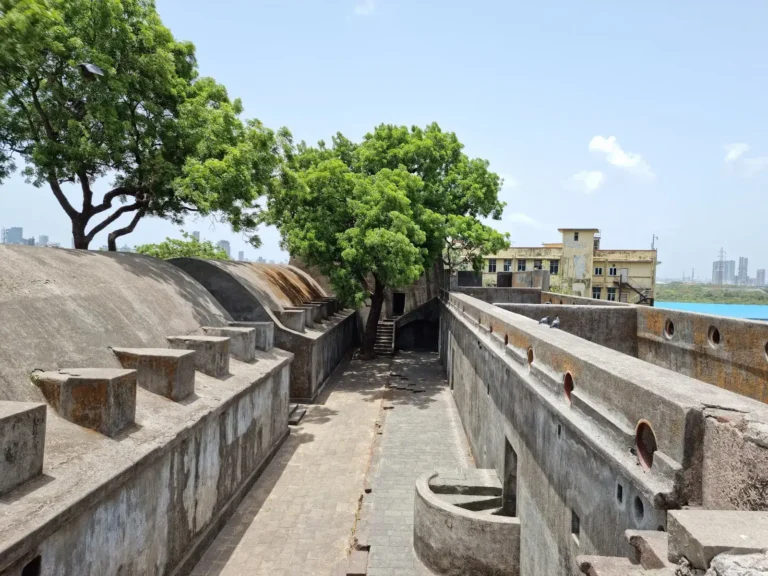
Sewri Fort is a coastal fortification located in the Sewri area of South Mumbai. It sits on a small hillock overlooking the Thane Creek and the sprawling mudflats of the eastern seafront. While South Mumbai is famous for its Victorian buildings, this fort represents a much older, military side of the city’s history.
Located at the end of Sewri Fort Road, this monument is a true hidden gem. It is tucked away behind industrial warehouses and coal depots, making it invisible to the average traveler. It is one of the few places in Mumbai where you can see the intersection of history, heavy industry, and delicate nature all in one frame.
2. Why This Place Is a Hidden Gem
This fort is a hidden gem because it is the “forgotten brother” of the more famous Worli or Bandra forts. Most tourists miss it because the surrounding area of Sewri is largely industrial and doesn’t look like a typical “tourist spot.”
Locals and history enthusiasts love it because it provides a raw, unfiltered experience. There are no fancy lights or food courts here—just old stones and incredible views. It is also the gateway to the Sewri Mudflats, which become a paradise for birdwatchers during the winter months. If you want to see a side of Mumbai that feels like a post-apocalyptic movie set mixed with a National Geographic documentary, this is the place.
3. History & Background of the Place
The sewri fort’s history begins in 1680. It was built by the British as a watchtower to protect the island of Mumbai from land-based attacks by the Siddis of Janjira and the Maratha Navy. It was part of a chain of forts, including Sion and Rewa, that formed a defensive line for the East India Company.
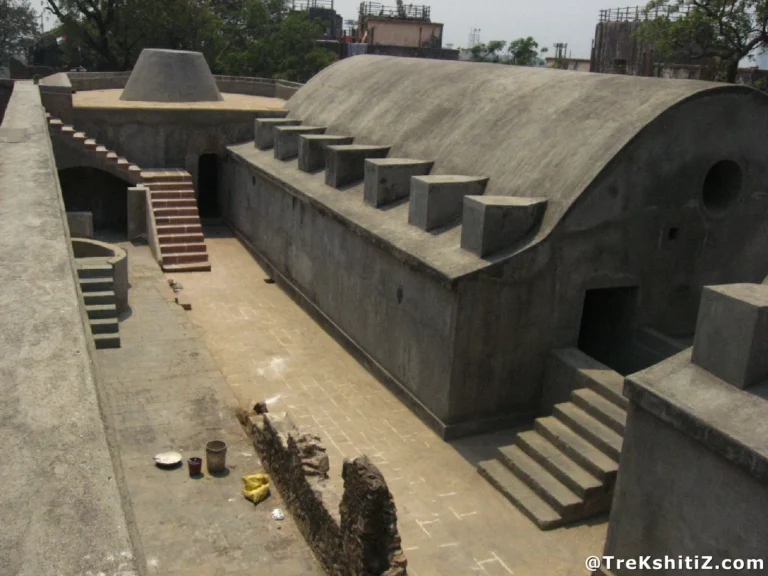
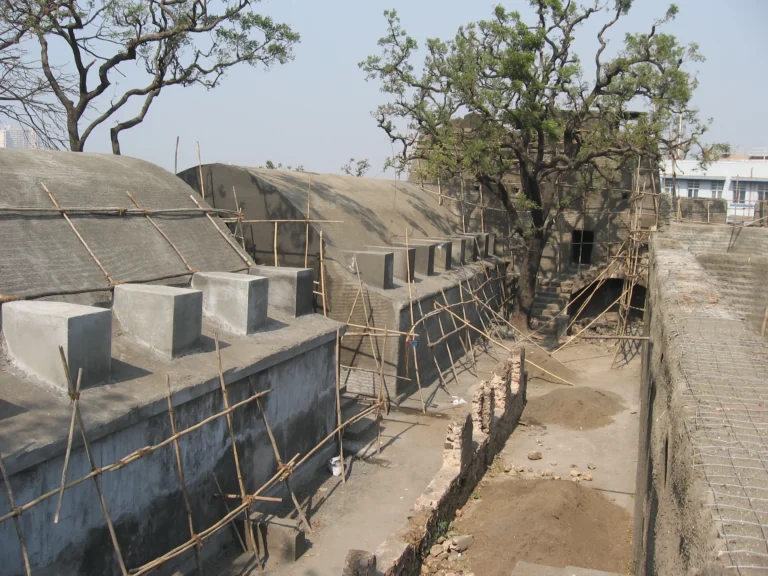
The fort has high stone walls, inner chambers for soldiers, and a large entrance gate that has survived the test of time. Over the years, as the threat of naval invasions disappeared, the fort was used as a prison and later as a godown (warehouse) by the Mumbai Port Trust. For a long time, it was neglected, but in recent years, heritage lovers have worked to bring attention back to this silent sentinel.
4. What Makes This Place Special
What makes Sewri Fort unique is the contrast it offers.
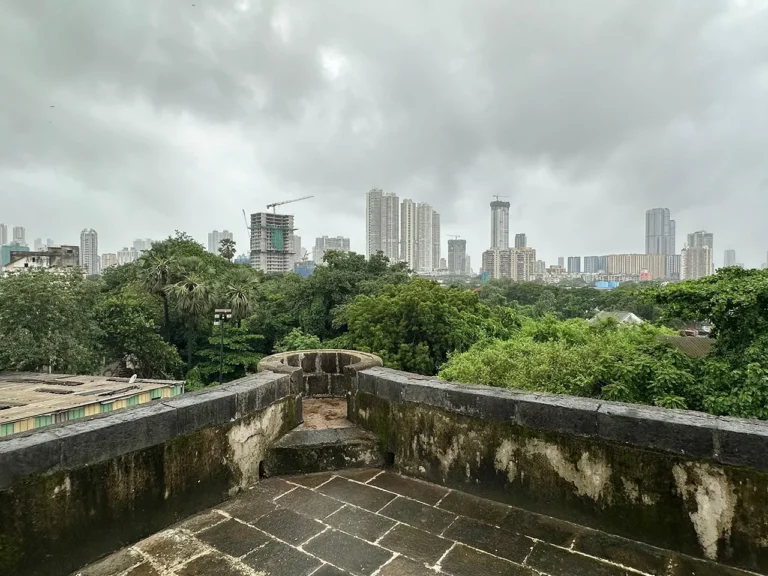
- Industrial Beauty: From the ramparts, you can see the massive oil tankers, the industrial cranes, and the construction of the Mumbai Trans Harbour Link (MTHL).
- The Flamingo Connection: Between November and May, the mudflats below the fort turn pink. Thousands of Lesser and Greater Flamingos migrate here from Gujarat, creating a stunning natural spectacle.
- Architecture: The fort features classic British military architecture with vaulted ceilings and thick basalt walls that stay cool even in the heat.
- Photography Value: The play of light through the old arched doorways and the panoramic view of the creek make it a favorite for “urban exploration” photography.
5. How to Reach This Hidden Gem
Reaching Sewri Fort requires navigating through the heart of Mumbai’s docklands:
- By Local Train: The nearest station is Sewri Station on the Harbour Line. From the station (East side), it is a 15-20 minute walk or a quick 5-minute auto-rickshaw ride.
- By Road: You can drive toward Sewri East. Follow the road toward the Sewri Jetty. The fort is located at the very end of the road, past the various timber and coal yards.
- By Bus: BEST buses like 46, 126, and 161 pass through the Sewri area. Get off at the Sewri Station or Sewri Naka and take a rickshaw.
- Walking Directions: Walk straight from the station toward the sea. The path goes through a busy industrial area, but just keep heading east toward the water.
6. Entry Fees, Timings & Permissions
- Entry Fee: There is no entry fee to visit Sewri Fort. It is a public monument.
- Timings: The fort is generally open from 9:00 AM to 6:00 PM. It is best to leave before it gets dark, as the industrial area can become very lonely at night.
- Permissions: No special permissions are needed for sightseeing. However, if you are using high-end drones or professional cinema cameras, you might be questioned by the Port Trust security nearby.
7. Best Time to Visit
- Winter (November to March): This is the peak time to visit. The weather is pleasant, and this is when the flamingos are most visible in the mudflats.
- Best Time of Day: Early morning (7:00 AM to 9:00 AM) is perfect for birdwatching. If you prefer views, the late afternoon (4:00 PM to 5:30 PM) offers a beautiful sunset over the industrial horizon.
- Tide Tip: If you are coming for the flamingos, check the tide timings. The birds are closest to the shore during mid-tide. During very high tide, they fly away to nearby salt pans.
8. Things to See at This Hidden Gem
- The Main Gateway: A large, arched entrance that still looks very imposing.
- The Bastions: You can walk along the edge of the fort walls to get different angles of the Thane Creek.
- The Inner Rooms: Explore the dark, vaulted chambers where ammunition and supplies were once stored.
- The Mudflats: From the fort walls, use your binoculars to spot flamingos, herons, and egrets.
- MTHL View: See the modern engineering marvel of the Atal Setu bridge stretching across the water.
9. Things to Do Near This Hidden Gem
- Sewri Jetty: A short walk from the fort, this is the main spot for birdwatching and seeing the fishing boats.
- Christian Cemetery: One of the largest and oldest cemeteries in Mumbai, known for its beautiful tombstones and quiet atmosphere.
- Haffkine Institute: A historic research institute nearby housed in a magnificent colonial building (once the Governor’s house).
- Local Irani Cafes: There are a few old-school eateries near Sewri station where you can grab a bun-maska and chai.
10. Local Experience & Atmosphere
The atmosphere at Sewri Fort is a mix of “salty” and “serene.” You will hear the distant clanging of metal from the workshops and the occasional cry of a seagull. Unlike the manicured gardens of South Mumbai, this place feels “wild.” You might see a few locals playing cricket nearby or a lone photographer waiting for the perfect light. It feels like a place that the city has moved past, leaving it in a peaceful time-loop.
11. Safety Risks & Things to Be Careful About
- Isolated Surroundings: The road leading to the fort goes through industrial yards. While safe during the day, it can feel intimidating and deserted in the evening. Avoid visiting alone late at night.
- Rough Terrain: The steps and walls of the fort are old and broken in some places. Be careful where you step.
- Sun Exposure: There is very little shade at the fort. It can get very hot in the afternoons.
- Smell: Because it is near the mudflats and industrial zones, there can sometimes be a strong “fishy” or industrial smell.
12. Safety Precautions
- Group Travel: It is always better to visit Sewri Fort in a group, especially if you are a foreign traveler or a solo explorer.
- Solo Travelers: Stick to the morning hours when there are more people and birdwatchers around.
- Stay on the Walls: Do not try to walk onto the mudflats. The mud is extremely soft and deep (like quicksand) and can be very dangerous.
13. Things to Carry Before Visiting
- Binoculars: Absolutely essential if you want to see the flamingos in detail.
- Camera with Zoom Lens: The birds are often far from the fort walls.
- Water Bottle: There are no shops at the fort site.
- Sun Protection: A hat and sunglasses will make your visit much more comfortable.
- Hand Sanitizer: The area can be quite dusty.
14. Travel Tips (Local Secrets)
- Check the “Flamingo Alert”: Local nature groups often post updates on social media about when the flamingos have arrived in large numbers. Check these before you plan your trip.
- The Best Photo Spot: The arched window in the southern wall of the fort provides a perfect “frame” for the flamingos in the background.
- Respect the Birds: If you go down to the jetty, avoid making loud noises or wearing very bright clothes that might startle the flamingos.
- Combine with a Walk: Start at Sewri station, walk through the timber yards to the fort, and then end your trip at the jetty for the best experience.
Forget the hassle and choose CABTAN—Mumbai’s most punctual and affordable cab service. Our trained drivers ensure a safe, reliable, and completely worry-free journey. Fill out the form below to book your ride now.